
Many pond owners focus on fish growth and consider fish a primary reason they invest in a property with a pond. However, some may use a “stock and forget” approach to the fish they add to their waterbody. If done right and fisheries aren’t necessarily your management focus this isn’t necessarily bad since fish can more or less support themselves. But if you want the best and most sustainable fishery in your pond, you should be managing your fish. With this in mind, how do we manage fish as best as possible to allow for optimal growth and health? Let’s take a look:
Harvest select fish from near the top of the food chain.
A very important component to managing a fishery that many people forget (or simply choose not to do) is selectively removing some of the desirable fish from the pond itself. This may seem contradictory to what some may think. After all, more fish in equals more fish out right? But in actuality if you want more quality fish then you’re going to want to remove competitors. Fewer competing fish means more room for growth and subsidence to support the whole fishery. Many times, this will lead to bigger fish. If you find that your fish all seem small and stunted, try removing some of them.
Add to the forage base.
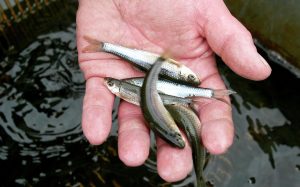
The first point looked into removing fish closer to the top of the food chain. Now we want to look near the bottom. Adding annual minnows or small forage fishes to your pond become a source of food to predatory fishes that pond owners usually want. The additional substance will support growth. Selectively harvesting from the top of the food chain while adding to the bottom will work hand in hand with one another. Listen to your local professional for area stocking rates but about 5 lbs. per acre of fathead minnows might do the trick.
Allow for some aquatic plant growth, but not too much.
Many pond owners have experienced too much aquatic plant growth in their pond. Some so much so that the whole pond becomes choked out and the water unusable. This negative stigma that aquatic plants occasionally have sometimes result in pond owners eliminating all aquatic plant growth in their pond. It is suggested to steer away from this especially for the sake of fisheries management. Aquatic plants provide shelter, oxygen, and sometimes an important reproductive connection to many species of desirable fish. Try maintaining between 15 – 20% aquatic plant coverage in your pond if possible.
Make sure you have the right kind of fish in your pond.
There are many avid fishermen who own ponds on their property. In speaking with these individuals, the question of “should I stock fish in my pond that I catch while I’m out fishing?” is brought up frequently. The answer is almost always no. Beyond the transfer of diseases and other pathogens that can come from fish from another body of water, the species they want to introduce just simply don’t typically do well in a small, shallow pond. Walleye, smallmouth bass, trout species, and others are not suited for the warmer waters of small ponds. Stick with largemouth bass and bluegill with fathead minnows or golden shiners as a forage base. These fish will thrive and reproduce better. Also always use a professional hatchery and pay close attention to stocking rates to prevent disease from overcrowding.
Consider aeration for your pond.
Adding an aeration system to your waterbody should be considered on a case by case basis (and perhaps with the assistance of a professional). However, from the point of view of fisheries management, an aeration system could yield a number of benefits. The biggest one would have to be the reduction of winterkill potential by keeping the water open through the deep freeze of winter and allowing oxygen to flourish. Other benefits could include increased habitat potential in the summer through the removal of the thermocline (which allows oxygen concentrations to persist from surface to bottom) and reduction in harmful ammonia concentrations.
If you have additional questions or concerns regarding the health of your fish, contact our office to speak directly with an aquatic specialist. AQUA DOC offers complimentary onsite consultations. Many of our specialists are avid fishermen outside of work, and have the knowledge needed to offer expert guidance, as well as a strong passion for healthy waterbodies and ecosystems!