
Blog
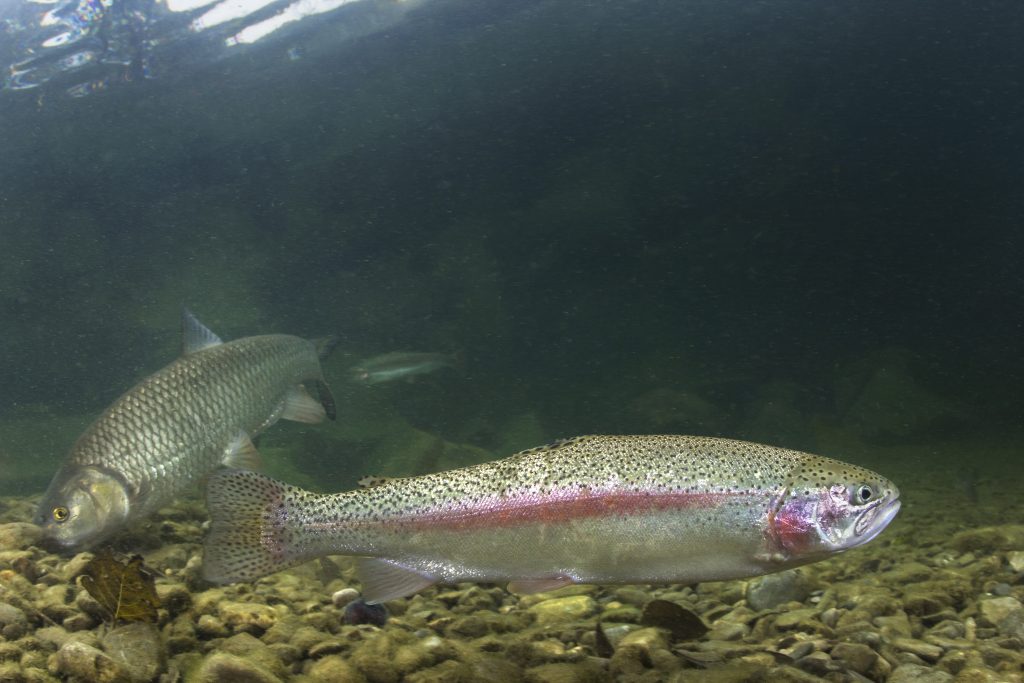
How Often Should You Feed Fish in Winter Months?
The cold of winter in northern states is a slow and sluggish time for ponds and lakes. During this time, your fish are conserving their energy in a more dormant state, while metabolism is reduced; almost to a halt. This includes fish who are usually hanging out in the water column and not necessarily…
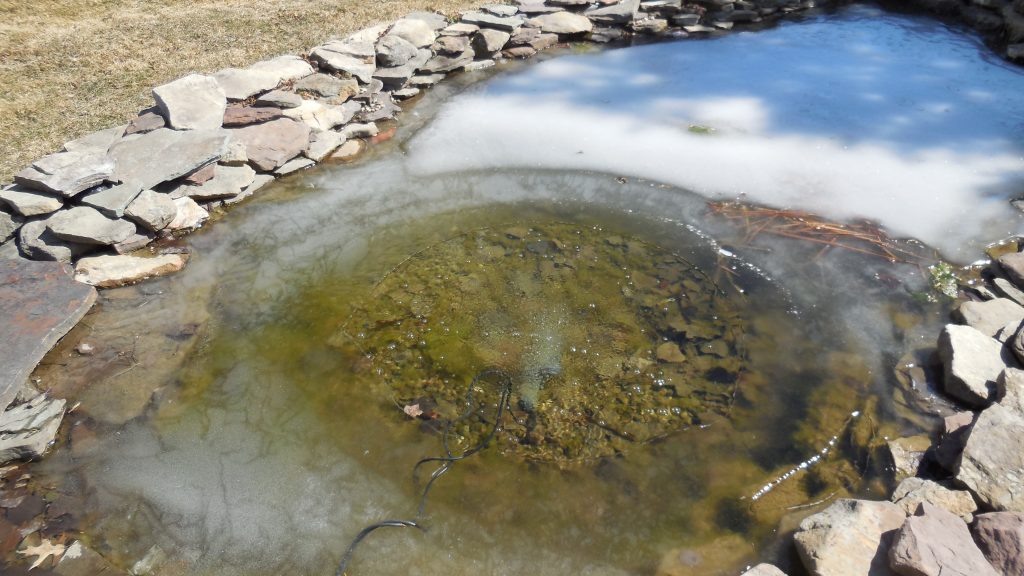
Winterizing Your Water Garden
Water gardens are not only amazing features that add style and ambiance to any location, but they’re also small ecosystems that can house a number of different species of both plants and animals. In today’s blog, the pond experts at AQUA DOC will go over what you should do in the winter to help your…
Phragmites
The Frog Blog Aquatic Weed Wednesday Aquatic Weed Wednesday is upon us once again! Today, we will take a look at an emergent aquatic plant commonly found around ponds, wetlands, and other water bodies: Common reed (Phragmites australies) Phragmites australis: pronounced (fræɡˈmaɪˌtiːz /australis/) is known as the common reed or Eurasian reed and is…
Keeping Fish: How Many is too Many?
Like any eco-system, water gardens need to be in balance. A good balance of water, flora and fauna will result in a healthy ecosystem. However, water gardens that are out of balance suffer from many problems, many of which can be attributed to an overpopulation of fish. Fish are a wonderful addition to a water…
The Effects of Road Salt on Your Pond
During harsh winter months, tons of rock salt will be spread over the nation’s roads and highways to melt the snow and ice. Rock salt, or road salt, is inexpensive and it works. Rock salt is sodium chloride, a natural product that essentially the same as the salt on your dinner table. However, problems arise…
What on Earth is That Blob in My Pond?
If you have seen one of these in your pond, you’ve seen a phylactolaemate bryozoan, an animal that has inhabited our planet for millions of years. Though there are several thousand species of bryozoan, the phylactolaemate bryozoan is exclusively found in freshwater and, currently, there less than a hundred named species. Bryozoans make their home…
Canadian Geese
Not so long ago, to see a Canada goose was rare. Now, they are common all across the country. So common, in fact, that in many instances, they have become a nuisance. Canadian geese, as beautiful as they may be, can make a big mess for pond owners. The birds are divided into two categories:…
Do Fish Freeze in Winter?
Winter is upon us and extreme cold temperatures may cause many freshwater lakes and ponds to completely ice over and the blanket of snow may block out all light. So, what happens to the fish? Do they freeze? Do they hibernate? Freshwater fish have adapted to all manner of harsh climates and the way in which they survive varies from species…
Your Pond Through The Seasons: Stratification Basics
Ponds are dynamic; that is, they are in a state of constant change throughout their existence. This may not seem evident to most as the pond you watch over may appear to look the same today as it did yesterday. But in actuality, your pond is undergoing yearly, monthly, weekly, and even daily changes that…
Is it Algae? Or is it Something Else?
The Frog Blog This is probably one of the most common questions someone may have as they look at their pond. It can also be a difficult one to answer as well considering not all green-looking things in a pond are algae and not all algae is green. So how does one distinguish nuisance algae…